
Choosing the right software training provider is a critical decision for career advancement and organizational efficiency. According to recent industry data, companies that invest in structured, instructor-led training see a 218% higher income per employee than those that rely solely on self-paced learning. This statistic highlights the tangible return on investment that comes from selecting a high-quality educational partner. The landscape of digital education has shifted dramatically, moving away from generic video tutorials toward immersive, hands-on environments that mirror real-world workplace challenges. (Training Packages Explained Dynamic)
The Training Methodology: Beyond Passive Learning
When evaluating a training center, the first and most important factor is their pedagogical approach. Many providers offer content, but few offer true competency. A professional training center must utilize a structured, active learning framework. This is often referred to as the "Instruct, Demonstrate, Challenge" model. This methodology ensures that learners do not just watch a screen but actively engage with the software.
Instruct involves the trainer explaining the theoretical underpinnings of a software feature. Demonstrate shows the learner exactly how the task is performed in a live environment. Challenge requires the participant to execute the task themselves, often with one-on-one assistance. This three-part process is essential for muscle memory and long-term retention. Without the "Challenge" phase, learners often suffer from the illusion of competence, where they understand the concept but cannot execute it independently.
Look for providers that explicitly state their teaching methodology. If a center only offers pre-recorded videos or PDF manuals, they are likely missing the critical hands-on component. The best training environments replicate the pressure and complexity of a real office setting. This includes working with live data sets and solving unexpected errors that do not appear in textbook examples.
Verifying Instructor Credentials and Authority
The quality of your training is directly tied to the expertise of the instructor. A professional software training center must employ certified experts who have real-world experience, not just academic knowledge. Instructors should hold current certifications from the software vendors they teach, such as Microsoft, Adobe, or Xero. This ensures that the information they provide is up-to-date with the latest software versions and industry best practices.
Dynamic Web Training, for example, is an authorized training centre for Adobe and MYOB. This authorization is a significant marker of quality. It means the provider has met strict standards set by the software vendors regarding curriculum, instructor qualification, and customer service. When you choose an authorized center, you are guaranteed that the training aligns with global certification standards.
Additionally, check the instructor's background in industry. Do they have experience working in corporate environments? Instructors who have worked in the field can provide context that goes beyond the software interface. They can explain why a certain workflow is preferred in a business setting and how to avoid common pitfalls. This contextual knowledge is invaluable for professionals looking to apply their skills immediately in the workplace.
Infrastructure and Technical Requirements
The physical or virtual environment in which training takes place plays a huge role in the learning experience. A professional training center must provide fully set-up computer labs. This means that learners do not need to bring their own laptops or worry about software installation issues. The hardware should be modern and capable of running the latest software versions smoothly. Slow computers or outdated operating systems can disrupt the flow of a lesson and cause unnecessary frustration.
Small class sizes are another critical infrastructure consideration. Large groups often result in less individual attention. A professional center should maintain class sizes that allow the instructor to provide personalized feedback to each participant. This ensures that every learner gets the help they need, regardless of their starting skill level. The ratio of instructor to student should ideally be low enough to facilitate meaningful interaction.
For corporate clients, the ability to deliver training in the workplace or via secure virtual environments is also important. Flexibility in delivery method allows organizations to minimize downtime and keep their teams productive. However, the quality of the virtual experience must match the in-person standard. This includes high-quality audio, reliable connectivity, and interactive tools that mimic the classroom experience.
Post-Course Support and Retention Policies
Learning does not end when the course finishes. A professional training center must offer robust post-course support. This includes free email support to help learners with questions that arise after they return to their desks. The ability to ask an expert a quick question can prevent small misunderstandings from becoming bad habits.
Another key factor is the re-sit policy. Software proficiency takes time to master. A generous re-sit policy, such as the ability to re-attend a course for free up to eight months after the initial training, provides a safety net for learners. This policy acknowledges that mastery is a process and allows individuals to reinforce their learning without additional financial burden. It also demonstrates the provider's confidence in their curriculum.
Look for providers that offer course manuals and certificates of completion. These materials serve as valuable references and proof of skill development. A certificate can be used for professional development records or to demonstrate competency to employers. The manual should be comprehensive and easy to navigate, serving as a quick reference guide for future tasks.
Evaluating Training Packages and Flexibility
For organizations, cost-effectiveness is a major consideration. Professional training centers often offer multi-course training packages that provide significant discounts compared to booking individual courses. These packages are designed for staff who need deep knowledge in a particular skill set, such as Microsoft Office or Graphic Design.
Flexibility is key in these packages. The ability to share training among different participants allows companies to target specific courses to individual needs. This reduces the overall training investment while ensuring that each employee receives the relevant instruction. Additionally, the ability to space out courses allows time for learners to apply their knowledge in the workplace before moving on to the next module. This spaced learning approach enhances retention and practical application.
When evaluating packages, check for any restrictions or terms and conditions. Some providers may not allow the use of discount vouchers or free course giveaways on package deals. Understanding these details upfront helps in budgeting accurately. The goal is to maximize the value of the training investment while maintaining high quality.
Comparing Training Providers
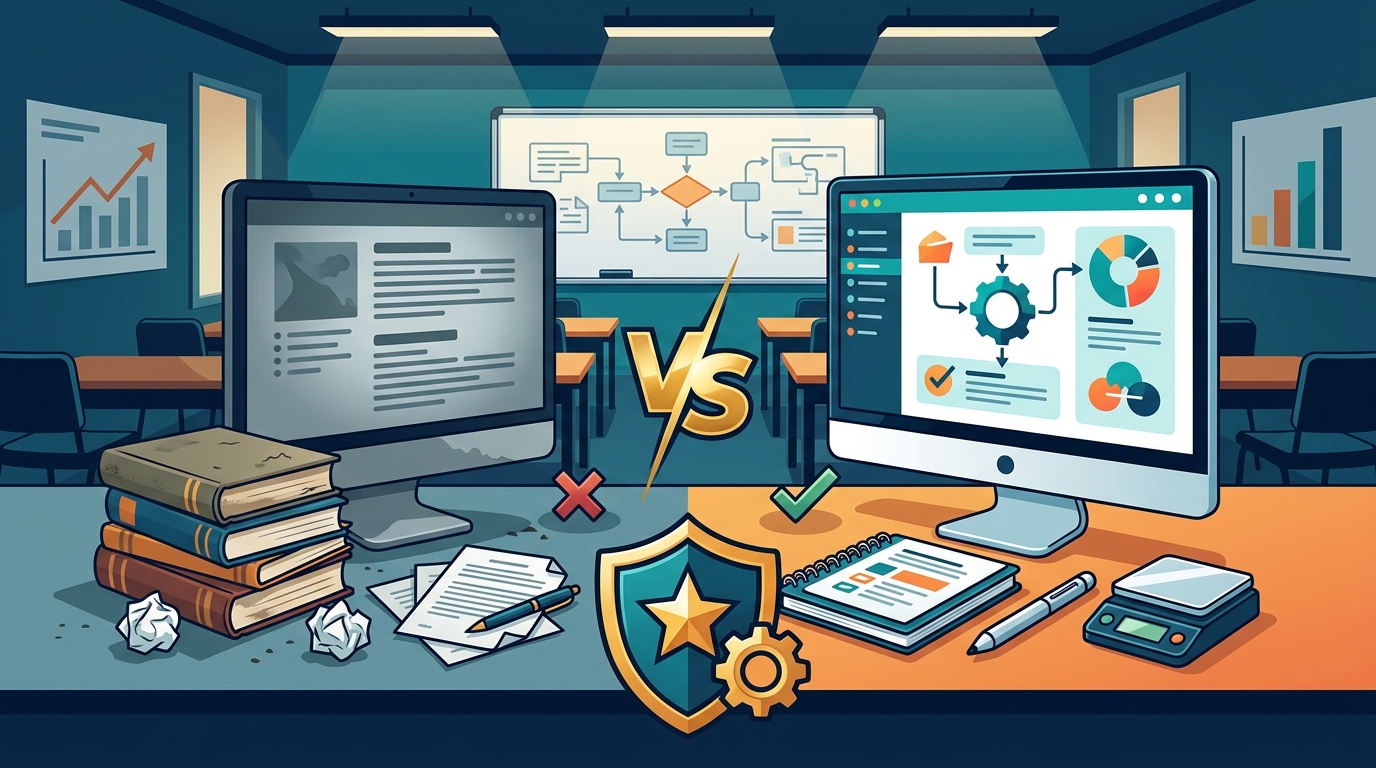
To make an informed decision, it is helpful to compare different aspects of training providers. The table below summarizes key factors to consider when evaluating software training centers.
| Factor | What to Look For | Why It Matters |
|---|---|---|
| Methodology | Instruct, Demonstrate, Challenge model | Ensures active learning and retention |
| Credentials | Authorized vendor status (e.g., Adobe, MYOB) | Guarantees curriculum alignment with industry standards |
| Infrastructure | Fully set-up labs and small class sizes | Provides a distraction-free, personalized learning environment |
| Support | Free email support and re-sit policies | Offers long-term value and confidence in learning |
| Packages | Flexible multi-course discounts | Optimizes budget for organizational training needs |
When comparing providers, also consider their reputation and student satisfaction scores. Look for reviews and testimonials from past students. A high student satisfaction rating, such as 4.83 out of 5, indicates a consistent quality of service. Additionally, check the number of course reviews and the percentage of students who recommend the provider. These metrics provide social proof of the provider's effectiveness.
Key Takeaways
- Active Learning is Essential: Prioritize centers that use the "Instruct, Demonstrate, Challenge" methodology to ensure practical skill acquisition.
- Verify Authorizations: Choose authorized training centers for Adobe, MYOB, or Microsoft to guarantee curriculum quality and certification readiness.
- Check Infrastructure: Ensure the provider offers fully set-up computer labs and small class sizes for optimal learning conditions.
- Value-Added Support: Look for free email support and generous re-sit policies (up to 8 months) to maximize long-term value.
- Flexible Packages: Utilize multi-course training packages for cost savings and flexible scheduling for corporate teams.
- Reputation Matters: Consider student satisfaction scores and the volume of course reviews as indicators of reliability.
- Real-World Context: Select instructors with real-world industry experience to gain practical insights beyond software features.
Frequently Asked Questions
What is the difference between instructor-led and self-paced training?
Instructor-led training provides real-time interaction, immediate feedback, and a structured learning environment. Self-paced training offers flexibility but lacks the personalized guidance and accountability of a live instructor. Research suggests that instructor-led training often leads to higher retention rates and faster skill application.
Why is it important to choose an authorized training center?
Authorized training centers meet strict standards set by software vendors. This ensures that the curriculum is up-to-date, instructors are certified, and the training aligns with global certification requirements. It also often provides access to exclusive resources and support.
Can I re-sit a course if I need more practice?
Many professional training centers offer free re-sit options within a specific timeframe, such as eight months. This policy allows learners to reinforce their knowledge without additional cost. It is important to check the specific terms and conditions of the provider.
What should I look for in a training package for my team?
Look for packages that offer flexibility, allowing different team members to take different courses within the package. Check for discounts on multi-course bundles and ensure the provider offers support for corporate training needs, such as customized schedules or on-site delivery.
How do I verify the credentials of a training provider?
Check for authorized vendor status, such as being an Adobe or MYOB authorized training centre. Look for instructor certifications and read student reviews. A high student satisfaction score and a large number of positive reviews are strong indicators of quality.
Do I need to bring my own laptop to training?
Professional training centers typically provide fully set-up computer labs. This ensures that all participants have access to the necessary software and hardware. It also eliminates technical issues related to personal devices. Always confirm this with the provider before booking.
What is the "Instruct, Demonstrate, Challenge" methodology?
This is a three-part teaching approach where the instructor first explains the concept (Instruct), then shows how to perform the task (Demonstrate), and finally requires the student to perform the task themselves (Challenge). This method ensures deep understanding and practical competence.
Next Steps
Choosing the right software training center is an investment in your future and your organization's success. By focusing on methodology, credentials, infrastructure, and support, you can ensure that your training delivers tangible results. Dynamic Web Training offers a comprehensive range of courses, from Microsoft Office to Adobe Creative Cloud, delivered by certified experts in a supportive environment.
Ready to elevate your skills? Contact our friendly client services team today to discuss your specific training requirements. You can also browse our extensive range of courses to find the perfect fit for your learning goals. Visit our About Us page to learn more about our history and commitment to excellence.